Goblin Lore & Customs
Spoiler: The Steam Knight 2
This section reveals events from “The Steam Knight 2”.
Legal Traditions
Laws of the Great Horde
Spoiler: The Steam Knight 2
This section reveals events from “The Steam Knight 2”.
Ancient Rules of the Pit
Spoiler: The Steam Knight 2
This section reveals events from “The Steam Knight 2”.
Language
The King's Speech
Spoiler: The Steam Knight 2
This section reveals events from “The Steam Knight 2”.
Role in The Steam Knight 2
Spoiler: The Steam Knight 2
This section reveals events from “The Steam Knight 2”.
In A History of Rislandia
According to A History of Rislandia, goblin society as it existed historically was centred on organised clan structures and a distinct material culture, adding institutional and geographic context not addressed elsewhere on this page.
Goblin Clans of the Oler Mountains
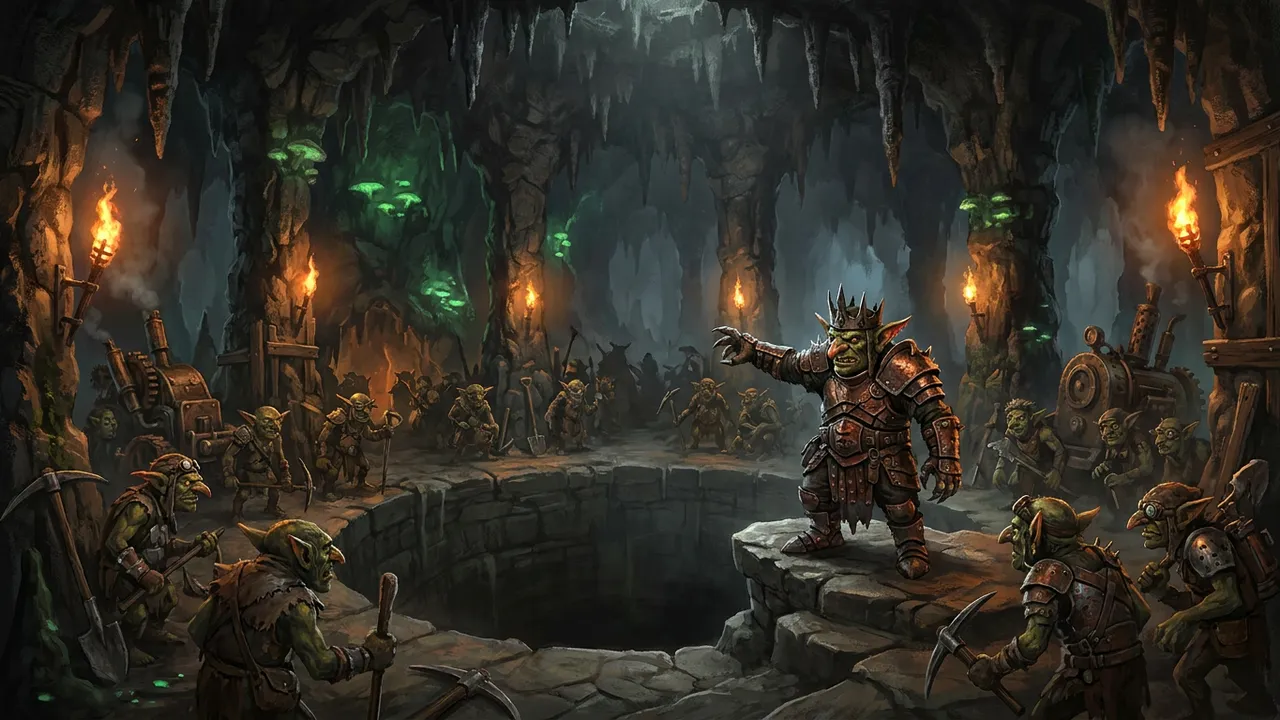
According to A History of Rislandia, goblins maintained underground kingdoms in the Oler Mountains, governed by goblin kings and clan chiefs. This provides a broader historical backdrop for the Goblin King figure encountered in The Steam Knight 2, situating that role within a wider tradition of clan-based monarchical governance rather than treating it as an isolated local authority.
The sourcebook further records that Mining Guilds held control over access to precious metals and gems within these underground kingdoms, suggesting that economic power was institutionally organised rather than held solely by royal or chiefly figures. Goblins also occasionally traded with surface dwellers through established trade networks, indicating that goblin society was not entirely isolated from the wider world of Areth.
Goblin Gold
According to A History of Rislandia, goblin gold was said to be cursed, bringing misfortune to those who steal it. The sourcebook does not elaborate on the origin of this belief or whether it was held by goblins, surface peoples, or both. No equivalent belief is recorded in the novel-based sections of this page.