Legal Code of Rislandia
Overview
The Legal Code of Rislandia—also known in later scholarship as the Expanded Legal Code—served as the primary written law of the Malaky Dynasty and the kingdom of Rislandia. According to A History of Rislandia, the code drew on two distinct traditions: the legal principles of the old imperial order and the customary practices of the Atreblans. Its provisions shaped Rislandian civic life for generations, and its physical display in public spaces made it one of the most visible symbols of royal authority in the kingdom's early centuries.
History
First Codification under Malaky I (Year 55)
According to A History of Rislandia, King Malaky I first codified the Legal Code in Year 55. The code was grounded in old imperial principles—likely inherited from the legacy of the Orethan Dominion—as well as Atreblan traditions brought by the settlers who followed Jory Malaky during the founding exodus. This initial version established several foundational protections: trial by jury for serious crimes, the right to appeal directly to the king, protection of property rights, and a prohibition of slavery.
Revision and Expansion under Malaky II (Years 82–90)
According to A History of Rislandia, King Malaky II undertook a comprehensive revision of the code across an eight-year period spanning Years 82 to 90. His expanded version broadened the code's scope considerably, organizing it into four distinct areas of law: criminal law, contract law, property law, and church law. The inclusion of church law reflected the growing institutional role of the Church of the Great One in Rislandian society during this period.
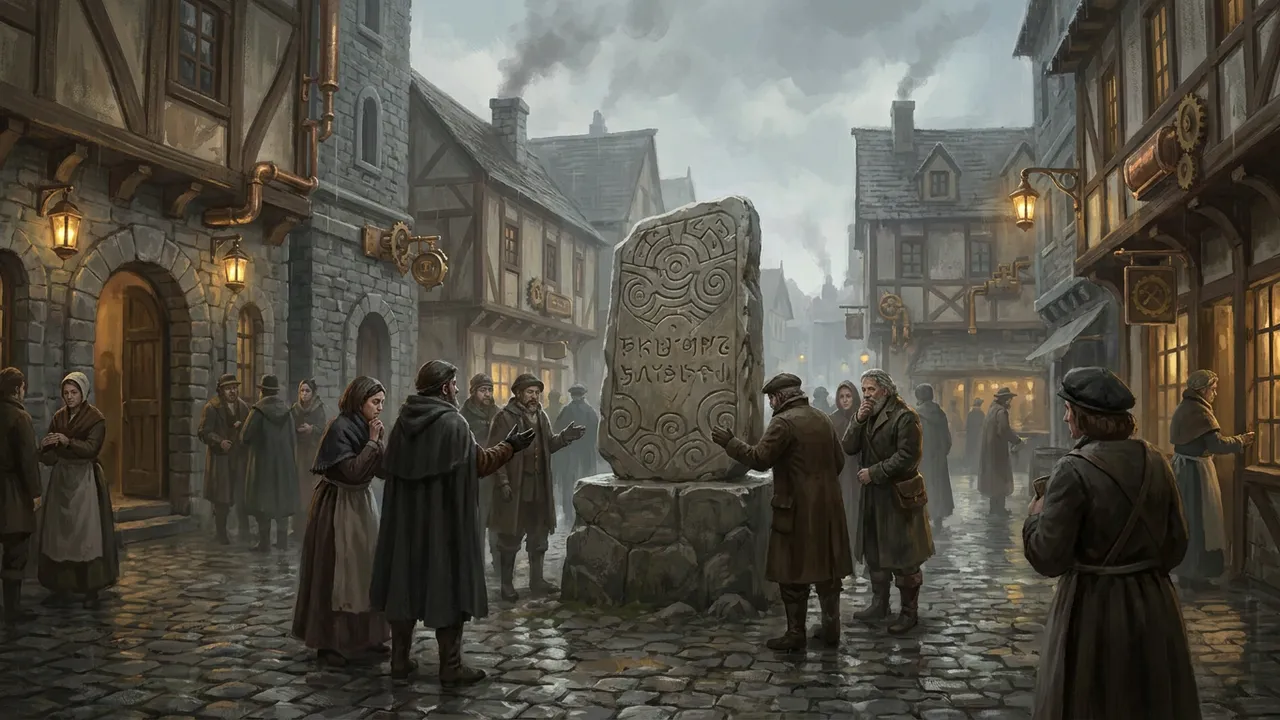
Upon completion of the revision, A History of Rislandia records that "the code was carved into stone tablets and displayed in every town square," ensuring that the law was publicly accessible throughout the kingdom.
Description
The Legal Code as expanded under Malaky II encompassed the following areas:
- Criminal Law — governing offenses against persons and the state, including the trial-by-jury provision established under Malaky I.
- Contract Law — regulating agreements and commercial obligations between parties.
- Property Law — codifying and protecting rights of ownership, building on the property protections of the original code.
- Church Law — addressing the legal standing and conduct of religious institutions, reflecting the influence of the Church of the Great One.
The prohibition of slavery, established in Year 55, was carried forward into the expanded code and remained among its most significant provisions.
Legacy
The stone-tablet display of the code in every town square under Malaky II represented a deliberate act of civic transparency, making the law legible to all subjects regardless of station. The code's foundations in both Orethan imperial tradition and Atreblan custom reflected the hybrid origins of Rislandian civilization following the founding exodus. The Rislandian Lawyers Association and later legal institutions of the kingdom traced their authority back to the framework the code established. The code is listed among the significant in-world documents of Rislandia's history and may be cross-referenced with the Rislandian Timeline and the Code of Malaky.